Preimplantation genetic diagnosis, or PGD, is a diagnostic technique used together with IVF. PGD is used in cases where the parents are at risk of passing on serious genetic disorders to their children.
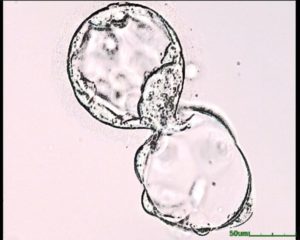
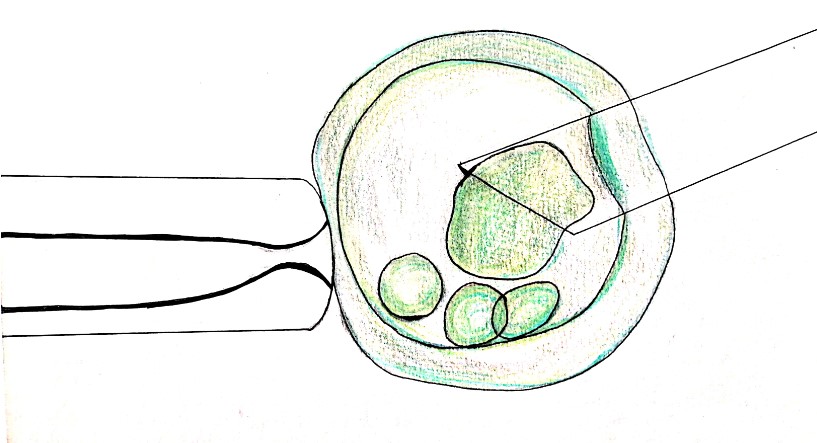
Instead of conceiving naturally, the couple will undergo the normal IVF procedures, beginning with an egg extraction. After the eggs have been fertilized with the husband’s sperm, the resulting embryos are allowed to develop for approximately 5 days. A number of cells are then removed from the developing embryo for genetic testing, during which the embryos are frozen.
The cells removed contain genetic material which represents the genetic makeup and health of the embryo. This genetic material can be analyzed for any abnormalities. If deemed healthy, the embryos can be unfrozen and transferred into the woman’s uterus for implantation. If implantation is successful and results in pregnancy, the child should not be affected by the conditions for which the embryo was tested. Those embryos in whom abnormalities are detected are destroyed.
Who is it for?
Couples who are both carriers for a serious autosomal recessive condition, such as Tay-Sachs.
Couples with a family history of sex-linked disorders. PGD allows for the sex-selection of the embryo, preventing these conditions from being passed on to the ends generation.
Couples where one partner is a carrier of or has a family history of, an autosomal dominant condition, such as Huntington’s disease.
Couples with inherited chromosome disorders. The full set of genes in human cells is stored in these chromosomes, and PGD can successfully identify abnormalities and changes in normal chromosomal structure.