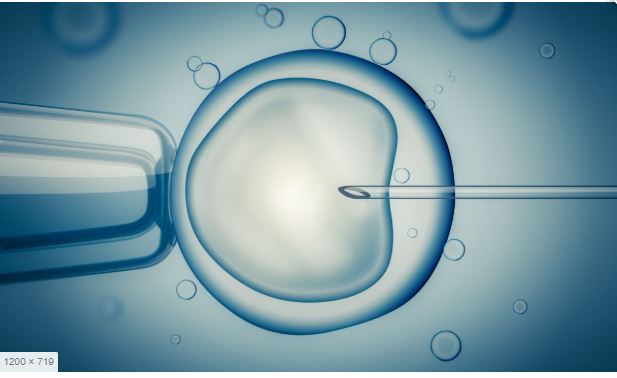
People choose to use donor sperm for a variety of reasons. If a man is diagnosed with infertility, a couple can choose to obtain donor sperm for in vitro fertilization procedures. Single women and lesbian couples may take advantage of donor sperm for pregnancy. In other instances, couples may seek a sperm donor to avoid passing on a genetic disease or disorder that is carried by the male partner. Patients who wish to use a sperm donor can either buy sperm from an anonymous donor in a sperm bank, or ask a friend or relative to donate.
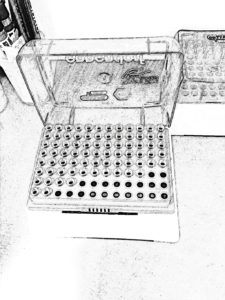
The donation process is simple. The donor walks into a private room at the sperm bank which is usually stocked with pornography and masturbates into a sterile container. The semen sample is collected from the container and is mixed with a cryopreservative solution, divided in aliquots, sealed in vials and frozen with liquid nitrogen. The frozen semen is stored at -321 degrees F. When needed, the semen sample is thawed and used in artificial insemination.
Not every person will be allowed to donate sperm to a sperm bank; only 5 percent of all male applicants who apply to be a sperm donor meet the criteria to donate sperm. Potential, willing donors go through a screening process that consists of questionnaires, blood screening, specimen screening, genetic analysis and a physical evaluation. At the time of the donation, donors are screened and tested in our clinic for numerous infectious and genetic diseases, including HIV, syphilis, gonorrhea, chlamydia, hepatitis B and hepatitis C. This screening process takes from 8 weeks to 6 months depending on the sperm bank to which the man is applying.
Sperm donation is usually motivated by money rather than altruism. In the US, donors will be paid from $40 to $100 for each semen sample. There are limitations on the number of kids a single donor can father.
There are a variety of factors that can affect a woman’s chances of conceiving with donor sperm. Her age, past history of pregnancy, method of insemination, and number of inseminations per cycle can significantly impact the likelihood of pregnancy. Women under the age of 35 with no history of fertility problems have the best chance of becoming pregnant with donor sperm.