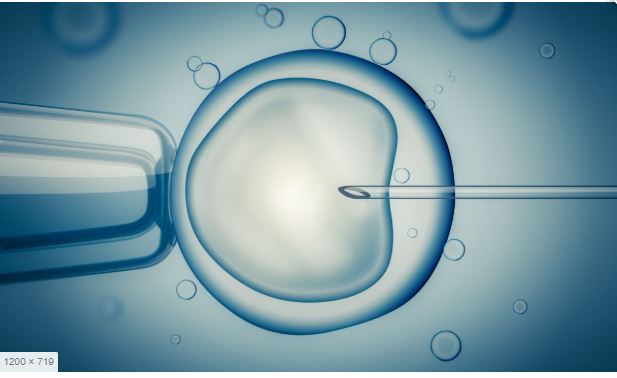
Oocyte activation is a fundamental step for the success of embryo fertilization. During oocyte activation, various oocyte-specific factors in the oocyte participate in order to complete the fertilization process successfully. In ICSI, because the spermatozoa are injected inside the ooplasm, failure of pronuclear formation and division most probably is the result of the failure of oocyte activation. Many investigators have tried different techniques for oocyte activation after ICSI to overcome this problem. Electrical activation of oocytes in patients with previously failed or limited fertilization after ICSI, as well as in patients with the possibility of failed fertilization as a result of teratozoospermia has been utilized. In this procedure, after sperm injection, the oocytes are suspended in a specific chemical buffer and placed between two parallel electrodes, through which a pulse of current is produced. The electrically stimulated oocytes are immediately transferred back to the tissue culture media to be rinsed and incubated at 37°C. The oocytes are checked after injection and stimulation to determine the presence of pronuclei. Embryo transfer is then performed. Intracytoplasmic sperm injection followed by electrical oocyte activation resulted in the delivery of healthy twins for a couple with previously failed fertilization after ICSI (in 1999).
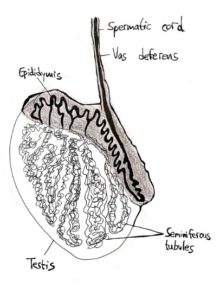
Sperm Mapping
In some men with non-obstructive azoospermia, there is a small amount of sperm production. However, it is difficult to find and extract it due